I'd like to say this is me sharing the last of my sets of photos from our 30 Days Wild in June, but it's not. However, it is yet another that has been put off far too long and I needed to get these photos up or they would be doomed to future in the abyss that is one of my too many folders labelled 'to edit'.
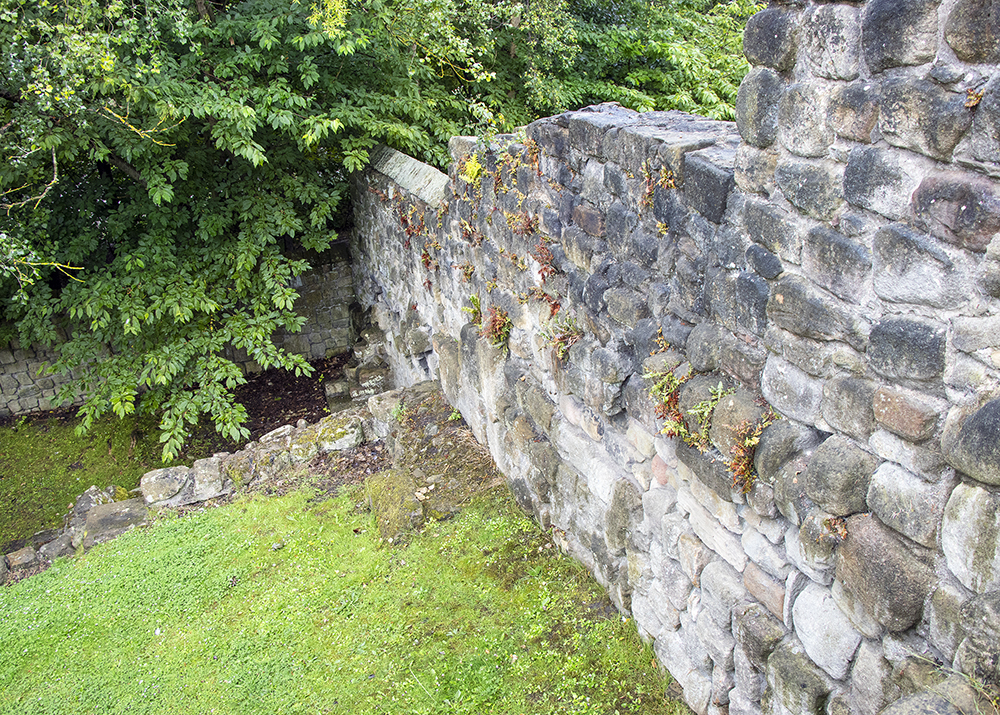
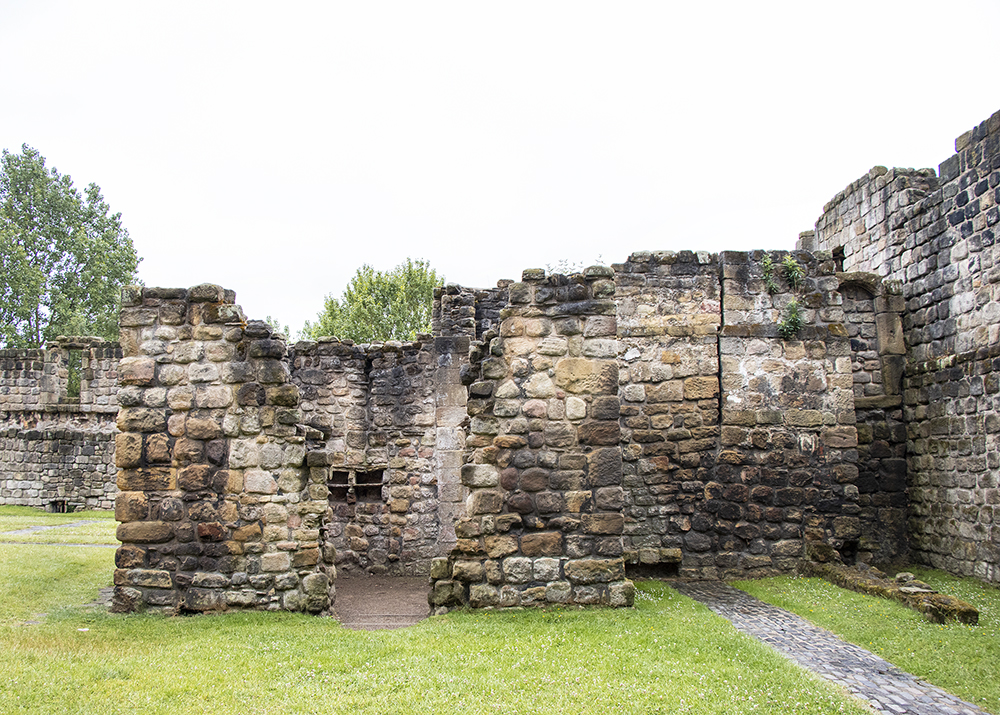
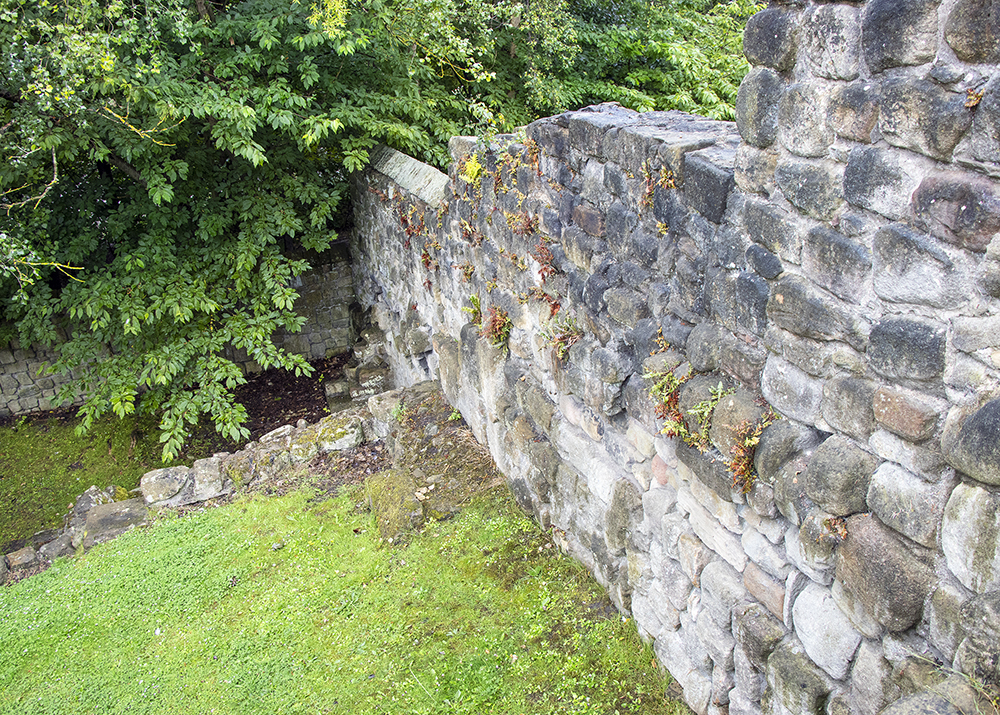
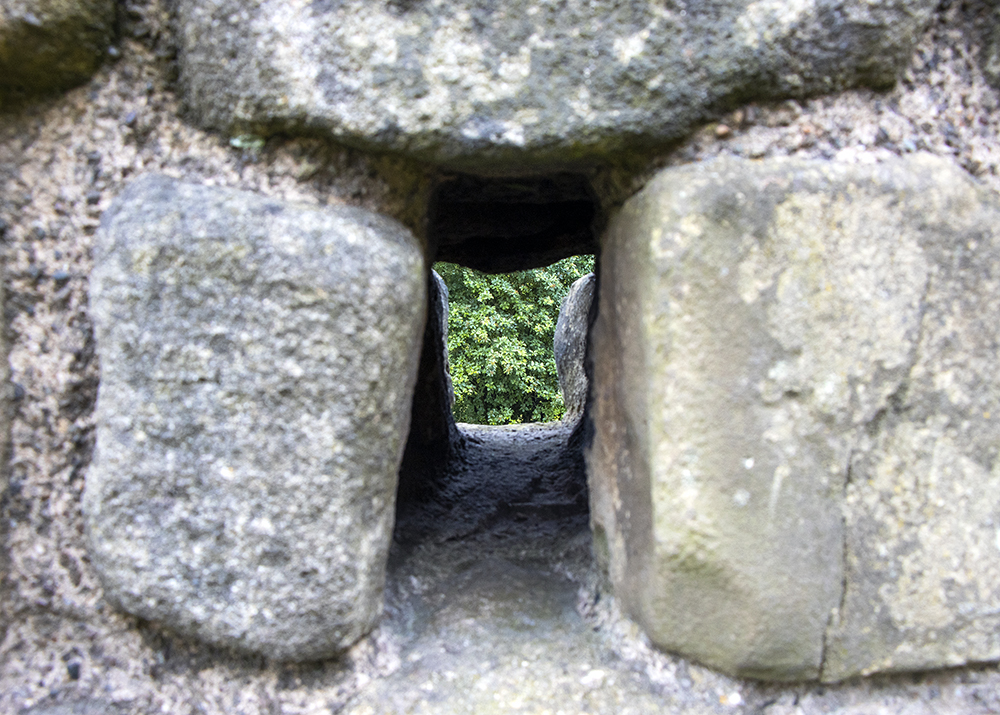
These photos, as the title suggests, were taken at St Paul's Monastery and St Paul's Church in Jarrow, Tyne and Wear only a 5-minute drive from my house. Alongside St. Peter’s, Wearmouth in Sunderland, St Paul's Monastery was one of Europe's most influential centres of learning and culture in the 7th and 8th centuries.
In the year 681, 7 years after having received land for the would-be home of St Peter's, Northumbrian nobleman Benedict Biscop received the land in Jarrow from King Ecgfrith of Northumbria to become the home of the twin monastery.
The remains that are seen today are from this medieval monastery, alongside the still functioning St Paul’s Church.
When we went down to visit, on both the 29th and 30th of June, we didn't know anything about the site's history but of course, it turned out to be an incredibly important and significant site in our area.
So as not to waffle on too much (something that is inevitable if I start) I want to leave this primarily photos as it is such a gorgeous place. I have also included photos of all the information boards that are dotted around the area so make sure to give them a scan if you can.








As someone who attended a Catholic First School, St Cuthberts, I have a small knowledge of Saints, Monks and the like. So I was very interested upon reading that St Peter's and St Paul's Monasteries were home to the Venerable Bede from the age of 7.
Another fact that is of even more personal interest is that Jarrow was one of the first places to be invaded by the Vikings! We are big Viking fans in this house, FYI. The River Don lies to the right of the Monastery which leads on into the River Tyne and of course from there into the North Sea. In 794 AD the Vikings arrived at the mouth of the Don ready to pillage the treasures in Jarrow. They burned the Monastery, but the leader was later captured and executed and his men washed ashore in a storm while retreating where they were then also killed. Geordies have apparently always been hard haha.
They returned in 875 AD under the leadership of Halfdan, King of Northumbria. This time they ruined the area, though thankfully the late Bede's remains were not disturbed.
Can we lastly just admire the lovely squirrel and really cool trees?
Until next time...
To read more about St Paul's and other histories of the area, see the websites linked below: